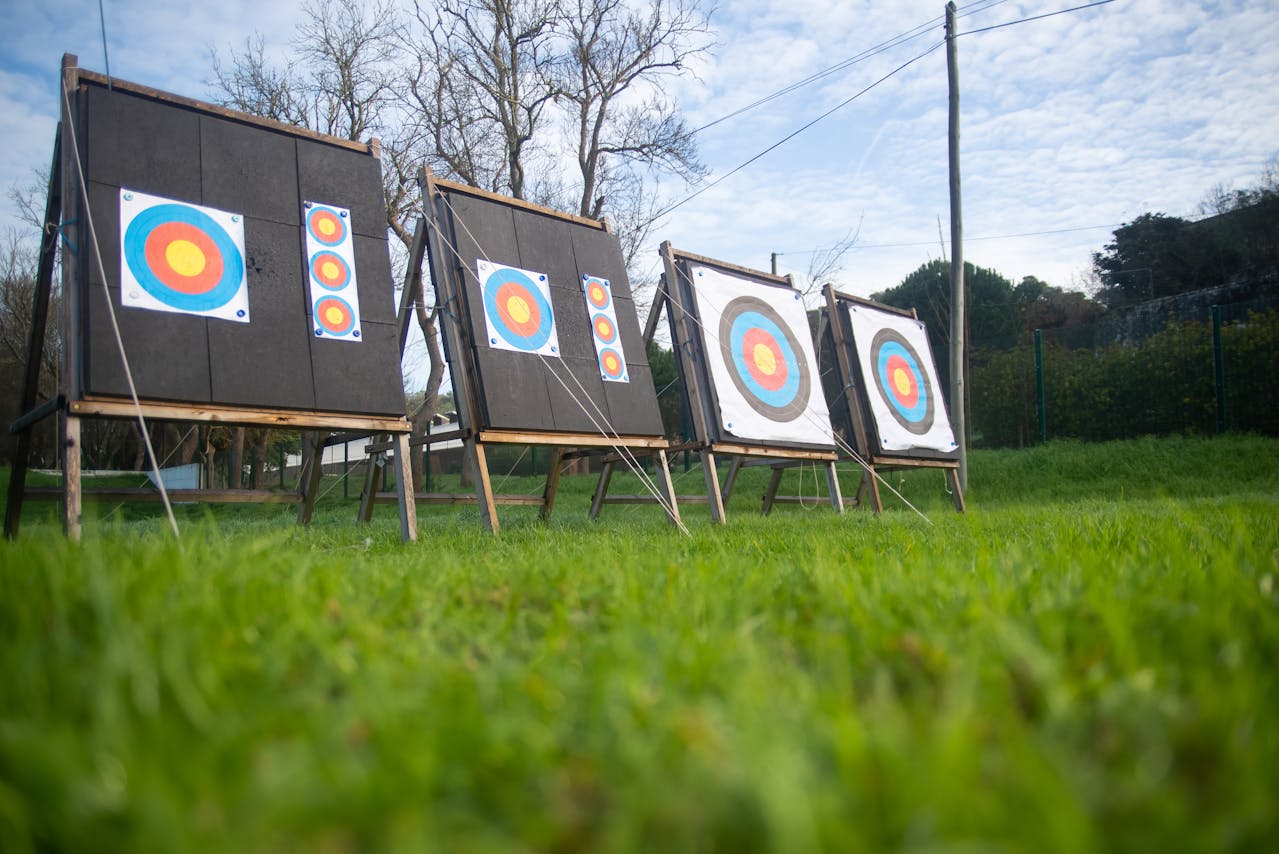
Backyard target practice can be a rewarding way to build focus, coordination, and consistency, but it must be approached with structure and safety in mind. Whether you are setting up for casual skill development or more disciplined practice sessions, the environment you create matters just as much as the equipment you use. Tools such as the Scout LT2 slingshot can be part of a controlled practice routine when used responsibly within a properly designed space.
Even in a private yard, projectile sports carry real risks. Misjudged angles, inadequate backstops, or lack of clear boundaries can lead to unintended damage or injury. Because of this, careful planning is not optional—it is essential for safe use and long-term enjoyment.
This guide explains how to design a safe, structured backyard target area, including layout planning, safety barriers, equipment considerations, and ongoing maintenance practices that reduce risk while improving consistency and control.
Planning a Safe Backyard Target Practice Area
Before setting up targets or choosing equipment, the most important step is defining a controlled and predictable environment. A safe layout reduces accidental overshooting and helps keep all activity contained.
A structured approach typically includes the following steps:
- Assess available space and measure maximum safe shooting distance
- Identify a solid, non-penetrable backstop location
- Remove or secure nearby hazards (windows, vehicles, pets, and walkways)
- Define a clear shooting line and restrict access behind it
- Establish safe entry and exit paths to the practice zone
Each step contributes to reducing uncontrolled variables. Even small oversights in backyard setups can create unnecessary risk, especially when projectiles are involved.
Spacing is particularly important. A longer yard does not automatically mean safer practice; direction, angles, and containment matter more than raw distance.
Choosing the Right Location and Backstop
Selecting the correct location is the foundation of a safe practice area. Ideally, the shooting direction should face a natural barrier such as a solid wall, dense earthen mound, or purpose-built backstop structure. Avoid areas that border shared fences, glass surfaces, or high-traffic zones.
Backstops should be tested for durability and resistance. Materials such as layered rubber, tightly packed wood, or commercial impact panels are commonly used in controlled environments. The goal is to fully absorb impact without ricochet.
A simple rule applies: if a projectile misses the target, it must still remain safely contained within the setup.
Environmental factors also matter. Wind can significantly affect projectile direction, even in relatively small backyard spaces. Practice sessions should account for shifting conditions, especially when precision is the goal.
Elevation changes should be avoided unless fully understood. Shooting downhill or uphill can distort perception and increase the likelihood of misalignment.
Equipment Selection and Controlled Setup
Choosing the right equipment plays a major role in safety and consistency. Devices designed for structured practice, such as the Scout LT2 slingshot, should always be paired with appropriate projectiles and used within strict control guidelines.
It is not just about performance—it is about predictability. Consistent tension, stable grip, and repeatable mechanics reduce errors that can lead to unsafe outcomes.
Targets should be placed at a distance that matches skill level. Beginners should start closer to reduce force and improve control, while experienced users may gradually increase distance under controlled conditions.
Lighting is another overlooked factor. Poor visibility can distort depth perception and lead to misfires. Natural daylight or well-lit setups are strongly recommended.
Even small adjustments, such as consistent stance positioning, can significantly improve safety outcomes over time. Repetition builds muscle memory, which reduces erratic movement.
Establishing Clear Safety Rules and Boundaries
A safe practice area requires more than physical setup; it needs consistent behavioral rules. Everyone using the space should understand and follow the same safety expectations.
Supervision is particularly important when beginners or younger users are involved. Clear instructions should be reinforced before every session.
Eye protection is strongly recommended. While backyard setups are controlled, unexpected ricochets or environmental disturbances can still occur.
Communication rules should also be established. Only one person should shoot at a time, and the shooting line must never be crossed while the area is active.
Discipline in these rules prevents most avoidable accidents.
Maintaining and Improving the Practice Area
Safety is not a one-time setup—it requires ongoing maintenance and review. Over time, materials wear down, environmental conditions change, and habits can become less disciplined if not reinforced.
A well-maintained setup ensures long-term reliability and reduces risk exposure.
Key maintenance practices include:
- Inspecting backstops regularly for wear, gaps, or penetration points
- Replacing or reinforcing targets that have become unstable or damaged
- Clearing the area of debris that could interfere with footing or focus
- Rechecking distances and alignment markers periodically
- Ensuring all safety boundaries remain visible and respected
Routine evaluation also improves performance consistency. A stable environment allows skill development without introducing unnecessary variables.
It is also important to rotate targets occasionally. Repeated impact in one area can weaken backstop integrity over time.
Weather exposure should not be ignored. Materials left outdoors may degrade, especially under strong sunlight or rain, which can compromise safety if not monitored.
Proper storage of equipment between sessions further reduces wear and maintains reliability.
In some cases, users incorporate structured drills to improve discipline and control. For example, alternating between short-range precision exercises and longer-distance targeting helps reinforce accuracy while maintaining safe limits. When used in this way, the Scout LT2 slingshot can support gradual skill progression without encouraging unsafe escalation of distance or force.
A backyard setup should evolve with the user’s skill level, but always within the boundaries of safety, containment, and responsible handling.