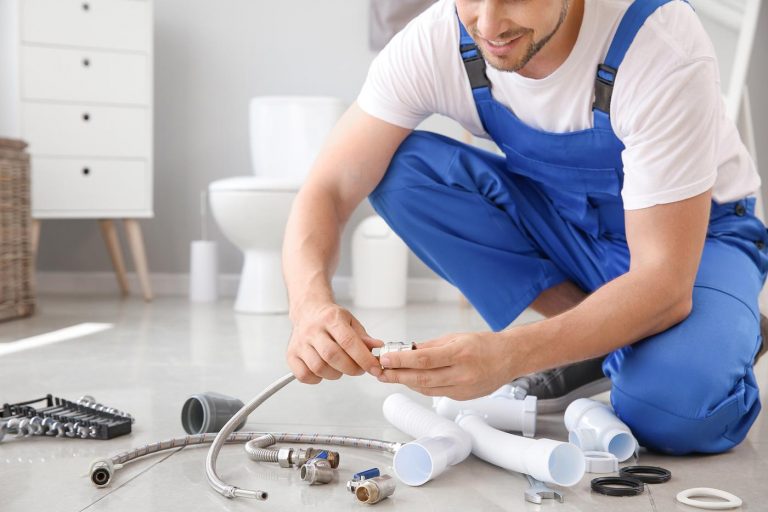
Cape Town homeowners deal with a unique mix of plumbing challenges. Coastal air, aging infrastructure, and fluctuating water pressure all contribute to wear and tear in residential systems. What starts as a minor inconvenience can quickly escalate into costly damage if left unchecked.
Many households only call a professional when something breaks. By that point, repairs are often more invasive and expensive than they need to be. A proactive approach makes a significant difference, especially in a city where environmental factors can accelerate plumbing deterioration.
Understanding the most frequent issues—and how to prevent them—can save money, reduce stress, and protect your property. Whether you live in a modern apartment or an older home, insights from a qualified plumber Cape Town residents trust can help you stay ahead of problems.
Leaking Taps and Fixtures
Dripping taps are one of the most common plumbing issues, yet they’re often ignored. That slow, steady drip wastes water and increases utility bills over time.
Worn-out washers, corroded valve seats, or faulty cartridges are usually to blame. In coastal areas, mineral buildup can accelerate component failure.
Routine maintenance goes a long way. Replace washers early. Clean aerators regularly. Don’t wait for a minor drip to become a persistent leak.
Blocked Drains and Pipes
Clogged drains disrupt daily routines and can lead to unpleasant odours. Kitchens and bathrooms are especially vulnerable due to grease, soap residue, and hair buildup.
Improper disposal habits are often the root cause. Pouring fats down the sink or flushing non-degradable items creates long-term blockages.
To reduce the risk:
- Avoid pouring oil or grease into sinks, even with hot water
- Use drain strainers to catch hair and debris
- Flush pipes periodically with hot water and mild cleaning solutions
- Be mindful of what goes down toilets, especially wipes and sanitary products
Small habits make a big impact. Prevention here is far easier than dealing with a full blockage later.
Low Water Pressure
Weak water flow can be frustrating. It affects showers, appliances, and general household efficiency.
In Cape Town, low pressure is often linked to sediment buildup in pipes or municipal supply fluctuations. Old galvanised pipes are particularly prone to internal corrosion, which restricts flow.
Sometimes the issue is localized. A blocked aerator or partially closed valve may be the culprit.
Regular inspections help pinpoint the cause early. Cleaning fixtures and replacing outdated piping systems can restore consistent pressure.
Burst or Leaking Pipes
Pipe damage is more than an inconvenience—it can cause serious structural harm. Sudden bursts often occur due to pressure changes, corrosion, or temperature fluctuations.
Older homes are especially at risk. Aging pipes weaken over time, making them vulnerable to cracks and leaks.
Warning signs shouldn’t be ignored. Damp walls, unexplained water stains, or a sudden spike in your water bill could indicate hidden pipe damage.
Preventative steps include:
- Insulating exposed pipes to reduce temperature stress
- Scheduling routine inspections for older plumbing systems
- Monitoring water pressure levels to avoid excessive strain
- Addressing minor leaks before they escalate
Taking early action protects both your plumbing and your property.
Geyser Problems and Water Heater Failures
Hot water issues are a major inconvenience, especially during colder months. Geysers in Cape Town homes often fail due to sediment buildup, thermostat malfunctions, or pressure valve issues.
Hard water contributes to mineral deposits inside tanks. Over time, this reduces efficiency and shortens the lifespan of the unit.
Regular servicing is essential. Flushing the tank removes sediment. Checking valves ensures safe pressure levels. Ignoring maintenance increases the risk of sudden failure.
Energy efficiency also plays a role. An aging geyser consumes more power, raising electricity costs while delivering inconsistent performance.
Running Toilets
A constantly running toilet can waste thousands of litres of water each month. It’s often caused by a faulty flapper, fill valve, or float mechanism.
The issue may seem minor, but the financial impact adds up quickly. Water conservation is especially important in drought-prone regions like Cape Town.
Quick fixes are usually effective. Replacing worn components or adjusting the float can resolve the problem in minutes.
Routine checks help catch these issues early, preventing unnecessary water waste.
Sewer Line Issues
Sewer problems are less common but far more serious. Blockages or damage in the main line can lead to backups, foul smells, and health hazards.
Tree roots are a major contributor. They infiltrate pipes in search of moisture, causing cracks and obstructions.
Older infrastructure increases the likelihood of sewer line complications. Regular inspections using modern diagnostic tools can identify issues before they escalate.
Professional intervention is critical here. Attempting DIY fixes often worsens the problem.
Preventative Maintenance Matters More Than Repairs
Reactive plumbing repairs are expensive and disruptive. Preventative maintenance, on the other hand, keeps systems running smoothly with minimal downtime.
Homeowners who adopt a proactive mindset experience fewer emergencies and lower long-term costs. It’s not about constant intervention—it’s about smart, scheduled care.
Simple habits, routine inspections, and timely upgrades make a measurable difference.
A reliable plumber in Cape Town homeowners depend on will always emphasize prevention over repair.
The Role of Water Quality in Plumbing Health
Water quality directly affects the longevity of your plumbing system. Hard water, common in some areas, leads to mineral buildup inside pipes and appliances.
This buildup reduces efficiency and increases wear. Over time, it can cause blockages and damage internal components.
Installing water filtration or softening systems helps mitigate these effects. Cleaner water means less strain on your plumbing.
It’s a long-term investment that pays off in reduced maintenance and extended system lifespan.
When to Call a Professional
Not every plumbing issue requires expert intervention. However, certain situations demand immediate attention.
Persistent leaks, major blockages, or unexplained water damage should never be ignored. Delaying action often leads to more extensive repairs.
Experienced professionals have the tools and expertise to diagnose problems accurately. They also ensure compliance with local regulations and safety standards.
Choosing the right service provider matters. Look for qualifications, experience, and a strong track record in residential plumbing.
Building a Resilient Plumbing System
Every home benefits from a well-maintained plumbing system. It supports daily living, protects property value, and ensures efficient water usage.
Consistency is key. Regular checks, mindful usage, and timely upgrades all contribute to system reliability.
Ignoring small issues often leads to bigger problems. Addressing them early keeps your home running smoothly and avoids unnecessary costs.
A proactive approach, combined with expert guidance when needed, ensures your plumbing remains dependable for years to come.