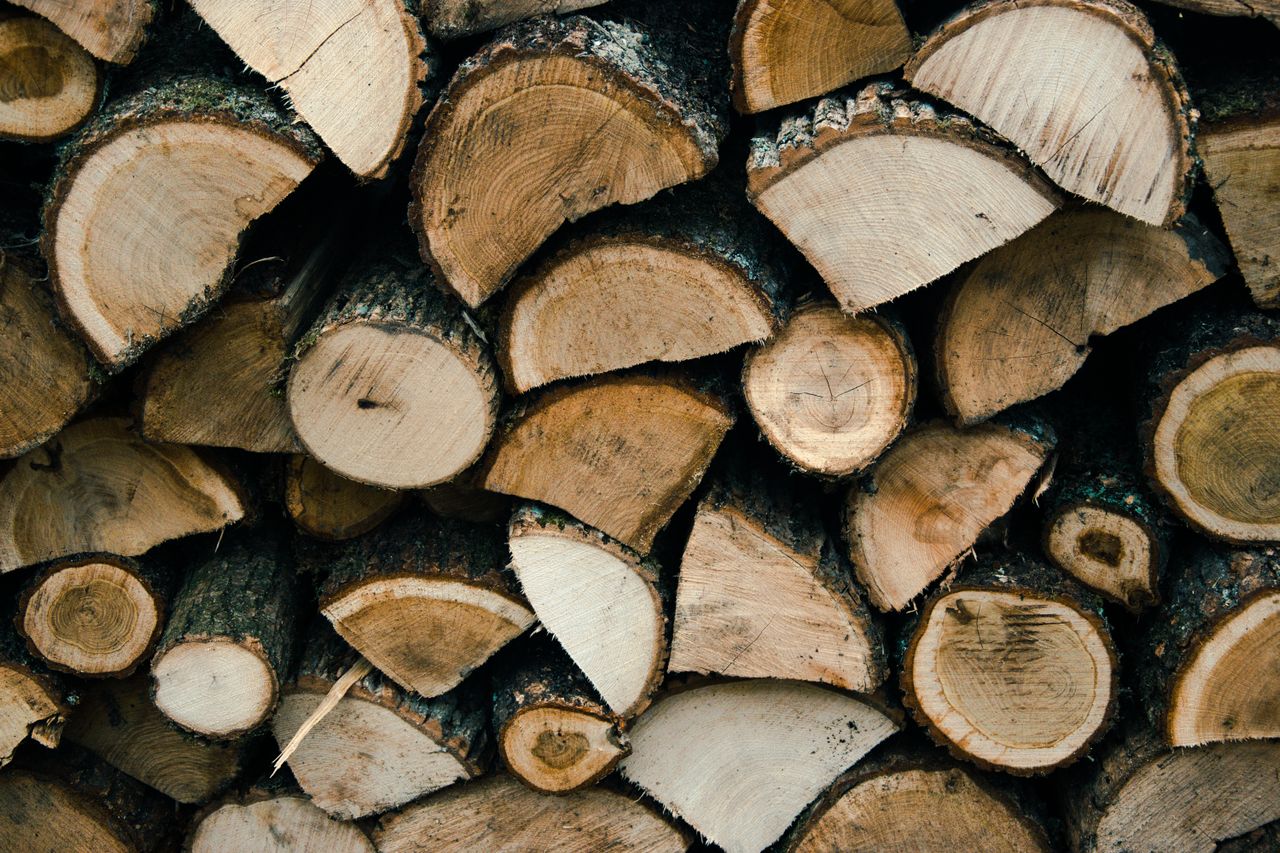
Ordering a large load of firewood is not simply a matter of choosing the cheapest supplier and arranging a delivery. The amount you receive, the type of wood supplied, its moisture level, and the way it has been stored can all affect how well it burns. A little planning before placing an order can make a significant difference, particularly when buying enough wood to last through several weeks of cold weather.
For households preparing for winter, the quality of the fuel matters just as much as the quantity. Properly seasoned wood generally burns more efficiently than freshly cut wood, while appropriately sized pieces are easier to handle and more suitable for fireplaces, wood-burning stoves, braais, and other approved appliances. Understanding what you are paying for also helps avoid misunderstandings when a delivery arrives.
When comparing suppliers offering firewood Somerset West residents can use, it is worth looking beyond advertised load sizes and headline prices. A reliable supplier should be able to explain what type of wood is available, how it has been prepared, what constitutes a load, and what delivery arrangements apply. These details provide a clearer basis for comparing options.
Check What “A Load” Actually Means
One of the first questions to ask is how the supplier defines a load. The term can mean different quantities depending on the supplier, vehicle, stacking method, and whether the wood is sold loose or stacked. A load advertised by volume may therefore not be directly comparable with another supplier’s offering.
Ask whether the quoted quantity refers to loose wood, neatly stacked wood, a particular vehicle capacity, or another measurement. If the supplier uses a named load size rather than cubic metres, clarification is particularly useful.
A transparent supplier should be comfortable explaining the approximate quantity and what customers can expect when the delivery arrives. This makes price comparisons more meaningful and reduces the risk of assuming that two similarly named loads contain the same amount of usable timber.
Consider the Type of Firewood
Different types of wood can have noticeably different burning characteristics. Some species tend to burn for longer, while others may be easier to ignite and useful for getting a fire started. The best choice depends on how the wood will be used and what equipment is available.
When comparing firewood options, consider:
- Hardwood versus softer wood
- Expected burn duration
- Ease of lighting
- Piece size and thickness
- Whether the wood is seasoned
- Suitability for your fireplace, stove, or braai
- Availability throughout the season
Hardwoods are often valued for producing sustained heat, although the actual performance depends on species, moisture content, piece size, and how the fire is operated. Softwoods can have their own practical uses, particularly when starting a fire.
It is also worth asking whether the supplier mixes different species. A mixed load is not necessarily a problem, but knowing what you are receiving allows you to make an informed decision and compare one supplier with another on a like-for-like basis.
Ask About Moisture and Seasoning
Moisture content is one of the most important considerations when purchasing firewood. Wood that contains substantial amounts of water has to use part of its available energy to evaporate that moisture before it can burn effectively. This can contribute to reduced heat output, more smoke, and less efficient combustion.
Seasoned firewood has generally been allowed to dry after being cut and split. However, the word “seasoned” should not automatically be treated as a guarantee of a particular moisture level. Drying conditions vary according to species, piece size, weather, airflow, and storage practices.
A good supplier should be able to explain how the wood has been stored and prepared. If moisture content is important to you, ask whether it is measured and whether the supplier can provide a general indication of the condition of the wood before delivery.
The way the wood looks can provide clues, but appearance alone is not a reliable moisture test. A piece may look dry on the outside while retaining considerable moisture internally.
Look at How the Wood Has Been Stored
Storage conditions can affect firewood quality even after the timber has been adequately seasoned. Wood that is left directly on wet ground or exposed to persistent rainfall can absorb moisture again. Good airflow is therefore an important part of keeping prepared firewood in usable condition.
Ideally, firewood should be stored in a location where rain exposure is limited while air can still circulate around the pieces. Completely enclosing damp wood without adequate ventilation can slow drying rather than improve it.
Before ordering a large load, it can be useful to ask where and how the supplier stores its prepared wood. You do not necessarily need an elaborate storage facility, but the answer should demonstrate that the supplier understands the importance of keeping firewood reasonably dry and well ventilated.
Your own storage arrangements matter too. A large delivery is only useful if you have somewhere appropriate to keep it after it arrives.
Pay Attention to Piece Size
Firewood pieces should be suitable for the appliance or fireplace in which they will be burned. Oversized logs can be difficult to place safely, while very small pieces may burn more quickly than expected.
Ask the supplier whether the wood is split and what approximate lengths are available. If you have a particular stove or fireplace, measure its firebox beforehand. This simple step can prevent the inconvenience of receiving pieces that require additional cutting or splitting.
A mixture of piece sizes can be useful. Smaller pieces are often convenient when establishing a fire, while larger pieces can help maintain it. However, the appropriate combination depends on the appliance and the way the fire is managed.
Consider the Cleanliness of the Load
Quality firewood should generally be reasonably free from excessive soil, rubbish, treated timber, and other unwanted material. Dirt can be inconvenient to handle and may contribute to additional ash and mess.
Be particularly cautious about burning painted, varnished, chemically treated, or otherwise contaminated wood in household fireplaces or wood-burning appliances. Such materials can release undesirable substances when burned and should not be treated as ordinary firewood.
Ask what source the supplier uses and whether the load consists of natural, untreated timber. This is a straightforward question that can provide useful reassurance before purchasing a substantial quantity.
Compare Delivery Arrangements
A large firewood order is also a logistical purchase. Before confirming the order, establish whether delivery is available to your particular area, what delivery fee applies, and whether the quoted price includes unloading.
Access can matter. Narrow driveways, steep entrances, gates, low branches, and limited turning space may affect where a delivery vehicle can stop. If the wood is going to be tipped at the property rather than carefully stacked, you should also decide in advance where you want it placed.
For customers arranging firewood Somerset West deliveries, confirming these practical details beforehand can make the process considerably smoother. It is better to identify access limitations before the truck arrives than to discover that the preferred unloading location is unsuitable.
Compare Suppliers on More Than Price
Price is an important factor, but it should not be the only consideration when comparing a substantial firewood order. A cheaper load may contain less usable wood, higher-moisture pieces, inconsistent sizes, or a mixture that does not suit your needs.
A more useful comparison looks at the complete offer. Consider the quantity, species, condition, preparation, delivery terms, and expected usability together rather than focusing on the advertised price alone.
You can also ask whether the supplier has clear terms for handling problems with an order. For example, if there is an obvious discrepancy between what was agreed and what was delivered, knowing how the supplier normally handles such concerns can provide additional confidence.
Know What You Need Before Ordering
Estimating your requirements can help prevent both over-ordering and last-minute shortages. Your needs may depend on the size and insulation of the home, how frequently the fireplace is used, the length of the cold period, the type of appliance, and whether firewood is being used as a primary or occasional heat source.
Rather than guessing from the size of your storage area alone, think about your typical usage. If you have purchased firewood previously, past consumption can provide a useful starting point. You can then adjust the estimate based on changes in household use or the type of wood being purchased.
It is also sensible to check your appliance manufacturer’s guidance regarding appropriate fuel. Some appliances are designed around particular types or sizes of firewood, and following those recommendations can support safer and more effective operation.
Ask These Questions Before Confirming the Order
A few straightforward questions can reveal whether a supplier is providing the information you need. They also make it easier to compare several quotes without relying on assumptions.
- What quantity does the advertised load represent?
- What type or species of wood is included?
- Is the wood seasoned, and how has it been stored?
- Is the wood split and what approximate sizes are supplied?
- Is the timber untreated and suitable for normal firewood use?
- Does the price include delivery?
- Are there additional delivery charges for particular areas or access conditions?
- Where will the wood be unloaded?
- How should customers raise concerns about an incorrect or unsuitable delivery?
- Is there anything the supplier recommends customers prepare before delivery?
The answers should give you enough information to make a practical comparison. If a supplier is unable or unwilling to explain basic details about quantity, wood type, preparation, or delivery, consider whether you have enough information to place a large order confidently.
Prepare a Suitable Storage Area
Once you have arranged delivery, prepare the storage location before the truck arrives. Choose an area that is reasonably protected from rain while allowing air to circulate. Keeping timber elevated from persistently damp ground can also help reduce moisture absorption.
Avoid piling a large amount of wood against walls where poor airflow could encourage dampness. Leave enough room to move around the stack safely and keep the storage area away from potential ignition sources that are not part of the intended fireplace or appliance.
If children or pets have access to the property, consider how the stack will be kept stable and inaccessible where necessary. A properly organised storage area makes the wood easier to use and reduces unnecessary handling.
Use Firewood Responsibly
Good-quality firewood is only one part of safe heating. Fireplaces, stoves, chimneys, flues, and other heating equipment should be maintained according to the manufacturer’s requirements and applicable safety guidance.
Never assume that a particular type of wood is appropriate for every appliance. Follow the instructions supplied with your fireplace or stove, maintain suitable ventilation, and ensure that combustible materials are kept at appropriate distances from heat sources.
Regular inspection and maintenance can also help identify problems before they become more serious. If a chimney or flue requires cleaning or inspection, use a suitably qualified professional rather than relying solely on the appearance of the firewood.
Make the Delivery Work for You
Ordering a large quantity of firewood can be convenient when the supplier, fuel quality, quantity, and delivery arrangements all match your requirements. Taking a few minutes to ask detailed questions beforehand can prevent many common misunderstandings.
The best purchasing decision is not necessarily the cheapest load. It is the one that gives you a clear understanding of what you are receiving, provides wood in a condition suitable for its intended use, and includes delivery arrangements that work for your property.
For households comparing firewood suppliers in the Somerset West area, a clear quote, consistent communication, suitable wood, and transparent delivery terms are useful indicators of a professional service. With the right preparation, a properly sized load can provide a practical supply of fuel throughout the colder months.