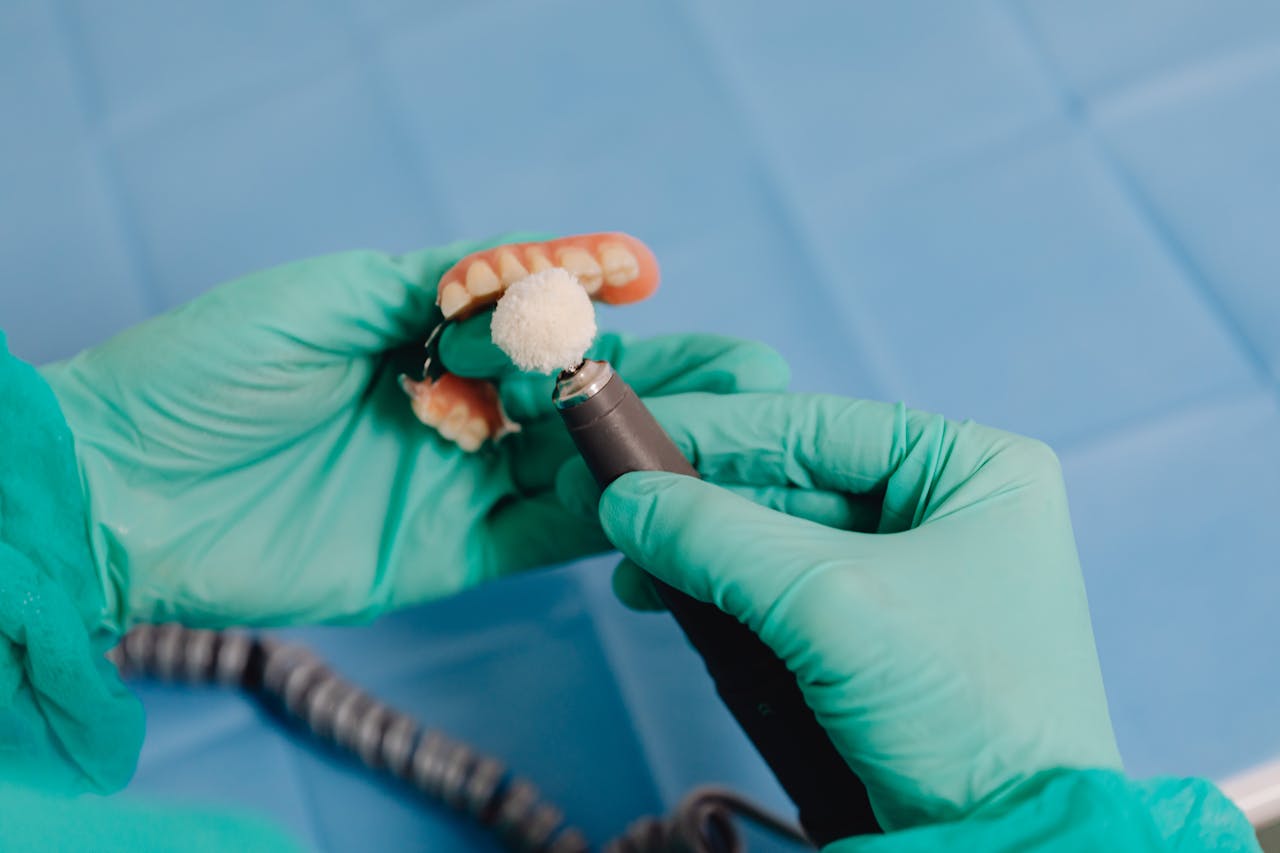
Emergency denture issues rarely happen at convenient times. A sudden crack, a broken clasp, or a denture that no longer fits properly can disrupt eating, speaking, and overall comfort within minutes. For many people, dentures are not just a dental appliance but an essential part of daily life and confidence.
When something goes wrong, panic is often the first reaction. However, acting quickly but correctly can make a significant difference in preventing further damage. Knowing how to respond in the first moments can help preserve the denture and reduce discomfort while you arrange proper repair.
This guide explains structured, safe, and practical steps to handle denture emergencies effectively. It also outlines when at-home care is appropriate and when professional intervention becomes necessary for long-term oral health and function.
Understanding urgent denture problems
Denture complications can arise from everyday wear, accidental drops, or changes in the mouth over time. Even minor damage can escalate if the appliance continues to be used without assessment or stabilisation.
Common issues include cracks in the base, fractured teeth within the denture, loosened clasps, and warping caused by heat or improper cleaning methods. Sometimes the problem is not visible but becomes apparent through discomfort, sore spots, or difficulty chewing.
In situations where immediate discomfort or functional limitation occurs, people often search for an emergency denture fix to restore basic usability while avoiding further deterioration. These situations require careful handling rather than improvised repairs that may worsen the damage.
Typical warning signs that something is wrong include:
- Sudden instability when speaking or chewing
- Sharp edges causing irritation or soft tissue injury
- Audible clicking or movement within the mouth
- Noticeable changes in bite alignment or pressure points
Recognising these signs early helps prevent complications such as gum inflammation or further structural weakening of the denture base.
What qualifies as a denture emergency
Not every denture issue requires urgent clinical intervention, but certain situations should be treated as time-sensitive. A true emergency is any condition where the denture can no longer be safely worn or is causing harm to oral tissues.
A fractured denture that splits into multiple pieces, for example, cannot be stabilised at home without risk. Similarly, a broken clasp on partial dentures can compromise support for remaining teeth, increasing the chance of shifting or damage.
Severe discomfort that prevents eating or speaking normally also qualifies as urgent. In these cases, delaying care can affect nutrition, communication, and overall wellbeing.
In some instances, people attempt a quick emergency denture fix using adhesives or household materials. While this may seem like a temporary solution, it can introduce toxins, alter the fit permanently, or make professional repair more difficult.
It is important to understand that dentures are precision-fitted devices. Any alteration without proper assessment can impact jaw alignment and long-term oral health. Even small distortions can lead to pressure imbalance and accelerated wear.
Immediate steps to take before repair
When denture damage occurs, the first priority is to prevent further harm. Handling the appliance carefully and avoiding forceful use is essential. Continuing to wear a damaged denture can deepen cracks or worsen misalignment.
Rinsing the denture gently with lukewarm water helps remove debris without causing thermal stress. Hot water should be avoided completely, as it can warp acrylic materials and permanently alter the fit.
If discomfort is present, removing the denture for short periods may allow soft tissues to recover. However, it is important to store it safely in a clean container with a moist environment to prevent drying or distortion.
Practical immediate actions include:
- Avoid bending or adjusting broken components manually
- Keep all fragments together for professional assessment
- Refrain from using household glue or adhesives
- Limit use of the denture until evaluated
These steps help maintain the integrity of the appliance until it can be properly repaired.
When to seek professional help
While temporary relief measures can be helpful, most denture damage requires clinical evaluation. Dental technicians and prosthodontic professionals use specialised materials and equipment that ensure precise restoration.
If the denture no longer fits securely or causes persistent pain, it is advisable to discontinue use and arrange repair as soon as possible. Continued wear in this condition may lead to gum abrasions or changes in bone structure over time.
A structured emergency denture fix carried out in a professional setting typically involves assessing the fracture type, checking alignment, and determining whether repair or replacement is more appropriate. This ensures that the final result restores both function and comfort without compromising safety.
Situations requiring urgent professional attention include:
- Complete fracture of the denture base
- Loss of multiple artificial teeth from the appliance
- Persistent bleeding or gum injury caused by sharp edges
- Noticeable changes in bite alignment after damage
Timely intervention not only restores usability but also prevents long-term oral complications that may require more complex treatment later.
How professionals manage urgent denture repairs
Once the denture is presented for repair, technicians begin with a detailed inspection to determine structural integrity. This includes checking stress points, material fatigue, and fit accuracy against the original model or impressions.
Depending on the severity of the damage, repairs may involve acrylic bonding, reinforcement of weak areas, or replacement of individual components. In more complex cases, a full remake may be recommended if the structure is beyond safe restoration.
Modern dental laboratories use precision curing systems and specialised resins designed to restore strength while maintaining comfort. This ensures that repaired dentures perform as closely as possible to their original function.
During this stage, communication between patient and provider is essential. Understanding how the damage occurred can help prevent recurrence and guide adjustments for improved durability.
Supporting recovery after denture repair
Once repairs are complete, a short adjustment period is normal. The mouth may require time to adapt to subtle changes in fit or pressure distribution. Eating softer foods initially can help ease this transition.
Regular cleaning routines should be maintained carefully, avoiding abrasive materials that could weaken repaired areas. Proper storage overnight also helps preserve structural stability and hygiene.
Follow-up checks may be recommended to ensure that the fit remains accurate after a few days of use. Minor refinements are sometimes needed to optimise comfort and function.
Ongoing care habits that support longevity include:
- Daily gentle cleaning with non-abrasive solutions
- Avoiding exposure to excessive heat or boiling water
- Handling dentures over a soft surface to prevent breakage if dropped
- Scheduling routine dental assessments for fit monitoring
These practices significantly reduce the likelihood of repeat damage and extend the lifespan of the appliance.
Preventing future denture emergencies
Prevention plays a major role in reducing the risk of unexpected damage. Many denture issues develop gradually due to wear, poor storage, or changes in oral anatomy over time.
Regular dental reviews help identify early signs of loosening or structural fatigue. Adjustments made at the right time can prevent fractures or instability later.
Lifestyle habits also influence durability. Avoiding hard or sticky foods reduces stress on artificial teeth, while proper hydration supports oral tissue health and comfort.
It is also important to avoid DIY modifications. Even well-intentioned adjustments can compromise structural integrity and make future repairs more difficult.
Ultimately, understanding how dentures function and respond to pressure helps users make informed decisions during unexpected situations. Acting calmly and avoiding unsafe shortcuts ensures better long-term outcomes for both comfort and oral health.